
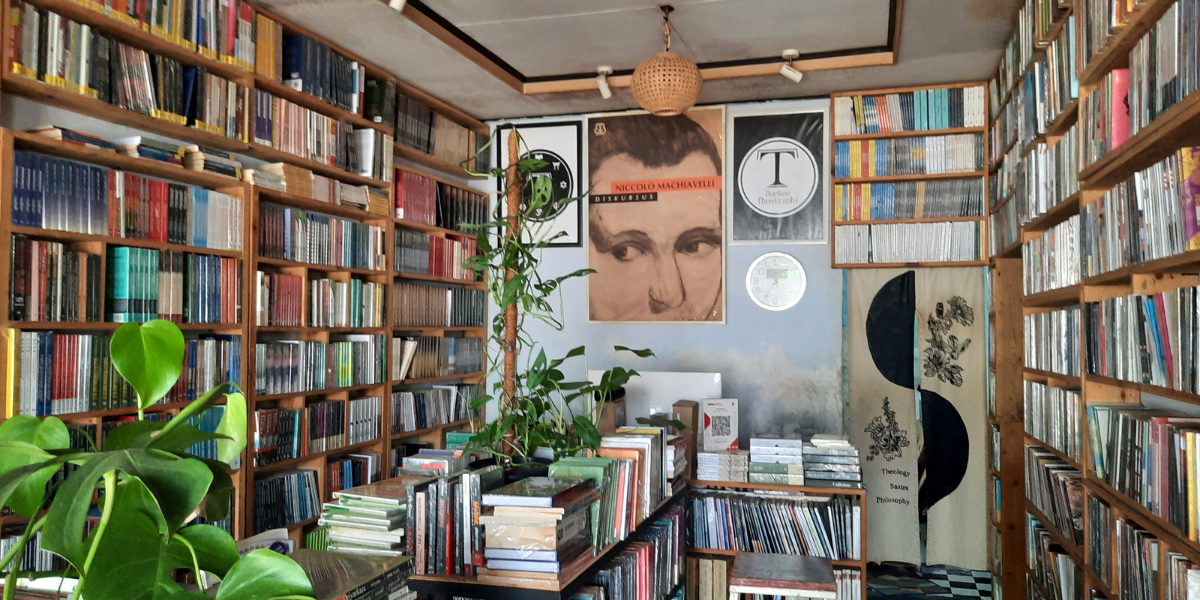
Because while digital offers convenience, print offers something else entirely that’s harder to define, but instantly recognisable the moment you hold a book in your hands.
For authors and self-publishers that distinction matters more than it might first appear.
A physical book does more than carry words – it creates a moment.
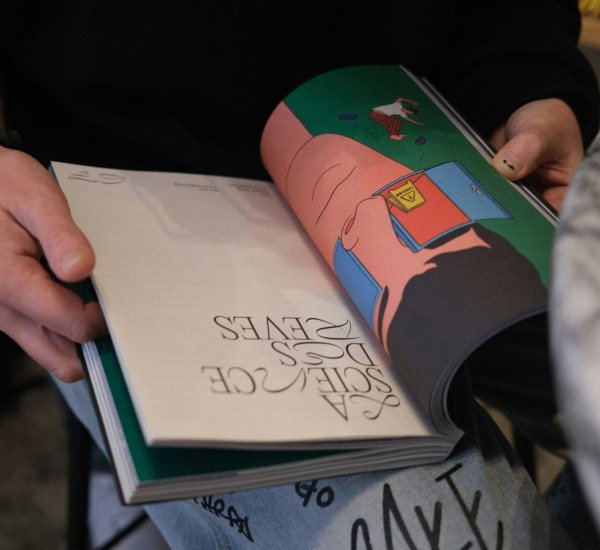
The weight in your hand, the texture of the paper, and the sound of turning a page – though they may seem like small things, they in fact shape how a reader experiences a book. They slow the pace, draw attention, and create a sense of presence that digital formats simply can’t replicate.
Readers often talk about “getting lost” in a book. That feeling is influenced by more than the writing itself – it’s influenced by the physical object they’re engaging with too.
And that’s where print continues to hold its ground.
For authors and self-publishers, print also carries a signal.
A well-produced book suggests care, investment, and professionalism. It tells the reader this is something worth their time, and something that’s been thought through, refined, and brought into the world properly.
By contrast, a poorly produced book can quietly undermine that perception.
This is where our Print Wisdom® becomes important. Because the decisions made behind the scenes (design, typography, paper, binding, finish, colour) all contribute to how a book is received. The reader may not consciously analyse those elements, but they certainly feel the difference.
Not all print is the same, and that’s part of its strength.
Each format creates a slightly different relationship with the reader.
Books are also one of the few printed items that people still gift regularly. A physical book can be wrapped, shared, and displayed, and it becomes part of someone’s environment.
This is another way of understanding why printed books still matter – digital is consumed, while print is often savoured and cherished.
It’s not really a question of choosing one over the other though, because for most authors and publishers, the strongest approach is to use both.
E-books provide:
Print books provide:
They serve different roles, and when used together, they expand reach while maintaining quality.
Recent reader research continues to show that print still holds a strong place in people’s lives, particularly when it comes to books, learning and enjoyment. And this overview of current print preferences is a useful reminder of why physical formats continue to matter.
This is where the distinction becomes clearer: digital is very in the moment, while print tends to stay with the reader on a shelf, on a desk, or passed on to someone else.
Two ideas still come up regularly.
“Print is too expensive”
It can be if it’s approached without planning. But when format, quantity, and production are aligned properly, print can be both effective and commercially viable.
“Print is outdated”
The behaviour of readers suggests otherwise. Print hasn’t been replaced – it’s found its place alongside digital.
This is where many projects stand or fall.
A book that looks and feels right reinforces everything the author is trying to say – and a book that feels rushed or poorly produced does the opposite.
Therefore, production decisions matter greatly because:
And this is where our Print Wisdom® plays its role – bringing those decisions together so the final piece reflects the original intent. Later in the process, there’s far less room to adjust, so early thinking makes all the difference.
Digital has changed how we read, that much is clear, but it hasn’t replaced the value of print.
And it isn’t about competition – it’s about difference – and that’s why printed books still matter. They offer something physical, lasting, and emotionally engaging, and something that becomes part of the reader’s world, not just their screen.
For authors and self-publishers, that distinction is powerful.
Because when print is handled with care, it doesn’t just deliver content – it creates an experience.
If you’d like support producing books that feel every bit as considered as the words inside them, we’d love to help. Get in touch and let our Print Wisdom® support the process from the start.

Gill Robinson
20th April 2026




 by PAGE